Deepeast news desk
The ongoing conflict in the Middle East has posed an unprecedented threat to global energy security, the International Energy Agency (IEA) has warned. Disruptions to shipping through the Strait of Hormuz have triggered what the agency describes as the largest oil supply crisis in history.
The impact of the crisis on international energy markets continues to intensify.Conflict in the Middle East, attacks on energy infrastructure and disruptions to maritime traffic through the Strait of Hormuz have severely affected global oil and gas supplies.
In its World Energy Outlook 2026 report, published Thursday, the IEA said the crisis in the Middle East represents the biggest threat to global energy security in history. IEA Executive Director Fatih Birol warned that if the conflict continues, its impact on the global economy and energy market could become even more severe.
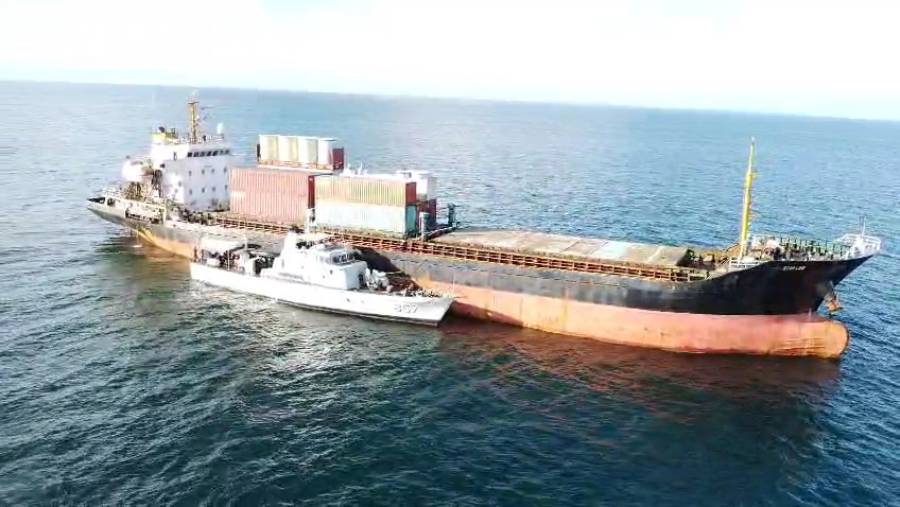
Energy Transportation Through the Strait of Hormuz Nearly Halted;
Before the conflict, approximately 20 million barrels of crude oil and petroleum products were transported daily through the Strait of Hormuz, one of the world’s most critical energy shipping routes. However, shipping through the waterway has nearly ground to a halt amid the conflict.As a result, Gulf countries are facing major obstacles to oil exports. Limited capacity along alternative routes and mounting pressure on storage facilities have forced countries in the region to cut production.
The IEA said global oil supplies fell by as much as 16 million barrels per day at the height of the crisis.Gas supplies have also been significantly disrupted.
Rising Pressure on Consumers
The impact of the energy supply crisis is already being felt across economie and by ordinary consumers in various countries.
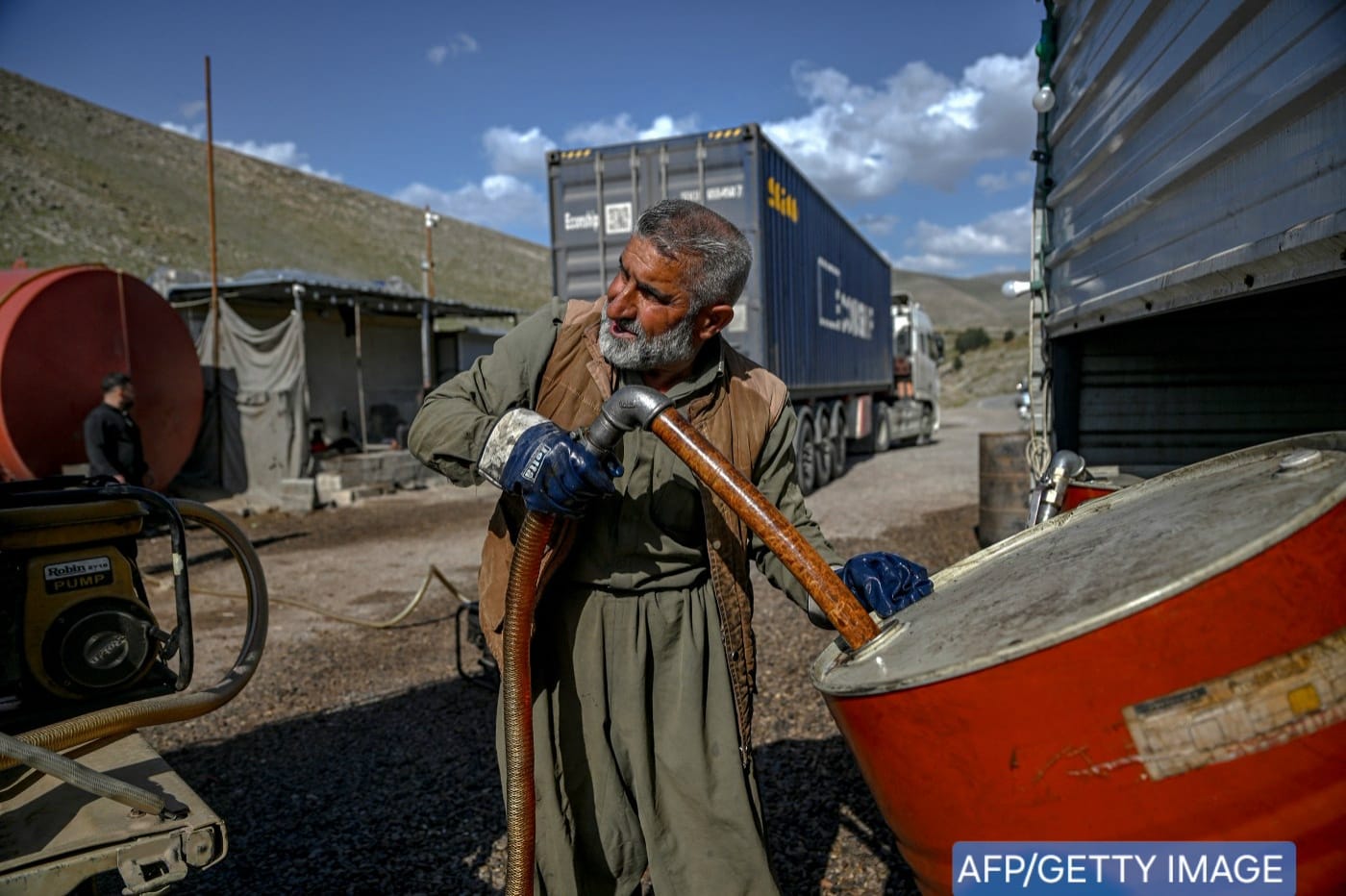
Alongside rising oil prices, supplies of diesel, jet fuel and liquefied petroleum gas (LPG) have also come under pressure.
Higher fuel costs in transportation, aviation, industrial production and agriculture are increasing the risk of rising prices for goods and services.
According to the IEA report, governments and energy producers in various countries have taken measures to address the crisis, including alternative supply arrangements and emergency stockpiles. However, the agency warned that these measures may not be sufficient to fully cushion the effects of a prolonged disruption.