New York
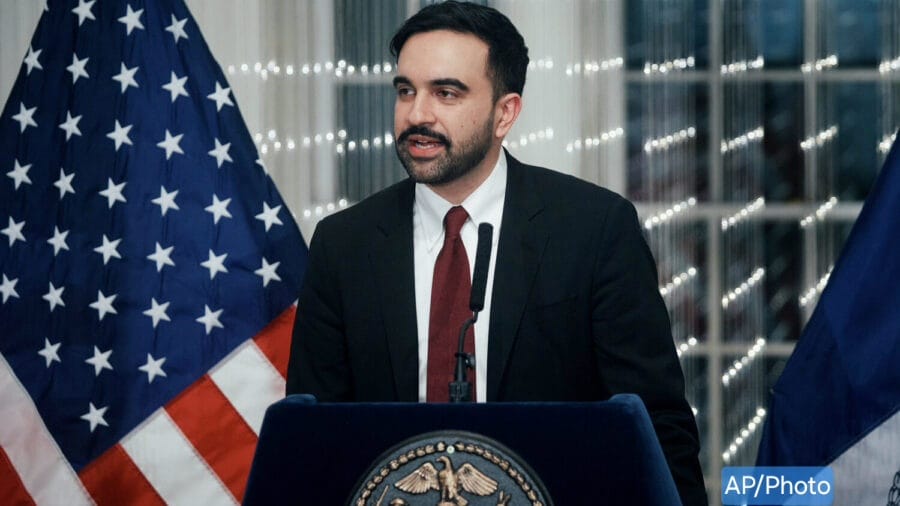
New York City Mayor Zohran Mamdani has announced the dissolution of the police unit whose officers had arrested him in the past, bringing renewed political scrutiny to the decision and raising questions over whether it reflects a long-standing policy position or personal experience.
Mamdani announced the decision to disband the New York Police Department’s (NYPD) controversial Strategic Response Group (SRG) on November 16, alongside Police Commissioner Jessica Tisch.
Mamdani had reportedly been detained by members of the unit at least twice in the past. In 2021, he was arrested during an eviction-related protest in Brooklyn. He was also detained in 2024 while participating in a protest against rent increases outside Hunter College.
The decision to dismantle the unit after taking office has sparked debate, particularly as his past arrests have resurfaced. Critics have questioned whether personal resentment or retaliation may have played a role in the move.
The SRG was primarily responsible for counterterrorism operations, responding to major crimes, managing large public gatherings and controlling protests. However, the unit has faced longstanding criticism and allegations of excessive force, indiscriminate arrests and mistreatment of journalists and protesters during demonstrations.
Under Mamdani’s plan, the SRG’s protest-management responsibilities will be transferred to a new structure. Counterterrorism operations will be placed under the NYPD’s Intelligence and Counterterrorism Bureau.
Meanwhile, a new Patrol Support Division will be established to handle situations involving protests and public gatherings. The administration also plans to create a Community Dialogue and De-escalation Division under the Mayor’s Office of Community Safety. The division will not have weapons or arrest powers.
When a political leader makes changes to an institution or system connected to his own past experiences after taking office, questions about personal motives can arise. Mamdani’s decision has also prompted such debate.
However, no publicly available evidence has so far established that the move was driven by personal retaliation. His campaign promises, longstanding allegations against the SRG and a broader reform plan developed in coordination with police leadership have also been cited as factors behind the decision.